Webdesign

HOW DIGITAL TOOLS AND AI ARE CHANGING UK BUSINESS

Across the UK, businesses are looking for ways to serve customers faster while keeping costs under control. Digital tools and AI can help, but the biggest benefit comes from choosing tools that solve a real problem.

Think about the time spent answering the same enquiries, copying customer details between systems or searching for an update on an order. A well-designed website can answer common questions and let customers contact you at any hour. A CRM can keep customer information and follow-up tasks in one place. AI can help draft responses or sort information, giving your team more time for work that needs a personal touch.

That is why more businesses are going digital. When routine steps take less time, staff can focus on customers, sales and decisions. Better organised information can also reduce duplicated work and make costs easier to manage. The savings depend on choosing the right tools and using them well.

A web developer plays an important part in that process. Your website should make it easy for people to understand what you offer and take the next step. It may also need to work with the systems your team uses every day. An experienced web developer can help you decide what to build first, based on what your business actually needs.

At Hivebyte Technology Ltd, we believe digital systems should fit the business using them. Whether you need a clearer website, a bespoke CRM or a more efficient way to handle enquiries, the starting point is understanding where your team loses time.

AI and digital tools will continue to change how UK businesses work. You do not need to change everything at once. Start with one task that slows your team down, find a practical way to improve it and build from there. Hivebyte Technology Ltd can help you turn that first step into a digital setup that supports your business as it grows.

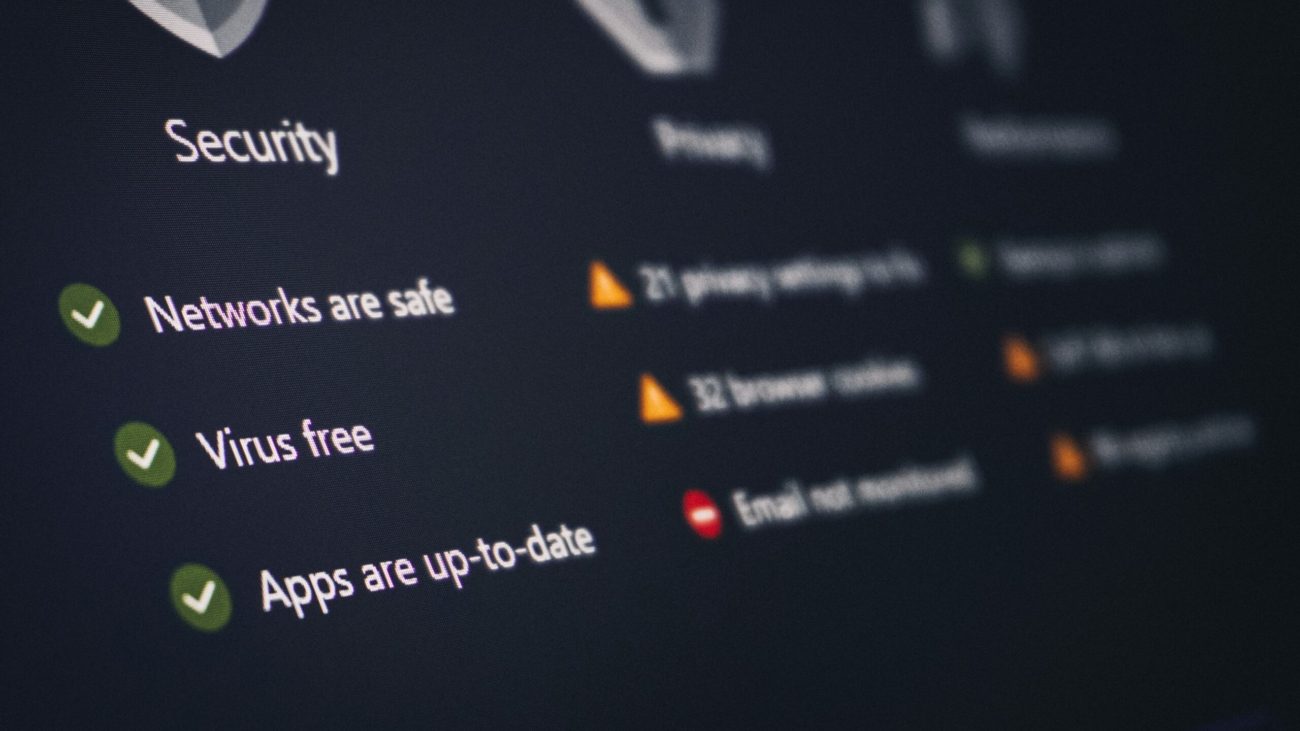
B Secuirty

Your Business Is Going Digital, Is Your Security Keeping Up?

Cybersecurity for Small Businesses: What You Need to Know in 2026

Technology Is Changing Small Businesses Faster Than Ever

For many small businesses, digital technology is no longer something that sits quietly in the background.

Your website takes enquiries.

Your CRM stores customer information.

Your team works through cloud platforms.

Payments happen online.

Emails contain commercially sensitive information.

And increasingly, artificial intelligence is being connected to everyday business processes.

UK government research published in 2026 found that 41% of businesses handling digitised data were using AI-based technologies, although the level of integration varied considerably depending on business size and digital maturity.

That creates enormous opportunities.

But it also creates a simple question:

As your business becomes more digital, is your security keeping up?

Cybersecurity Isn’t Just for Large Companies

There’s a common misconception that cybercriminals are only interested in large corporations.

Small businesses can also be attractive targets because they may have websites, customer information, email accounts and payment systems without the security resources available to a large enterprise.

And the threat is evolving.

On 27 August 2026, more than 100 major technology and financial organisations called for increased action against AI-driven cyber threats, warning that advancing AI capabilities could make cyberattacks substantially more pervasive.

For a small business, cybersecurity therefore shouldn’t begin after something has gone wrong.

It should be part of how your technology is built and managed.

1. Your Website Needs More Than a Good Design

A professional website needs to look good.

But what happens behind it is equally important.

Software updates, plugins, administrator accounts, hosting, backups and forms can all affect the security of a website.

An outdated website can create unnecessary vulnerabilities.

That’s why businesses should treat their website as an active technology platform rather than something that gets built once and forgotten.

Regular maintenance matters.

2. Passwords Are Still a Weak Point

Businesses can spend thousands on technology while leaving accounts protected by weak or reused passwords.

That’s a problem.

Important systems should use strong, unique passwords and multi-factor authentication wherever it is available.

Access also needs to be reviewed when employees or contractors leave the business.

Someone who no longer works with your organisation shouldn’t retain access to your website, CRM, email or other systems simply because nobody remembered to remove their account.

3. Backups Need to Actually Work

“We have backups.”

That’s reassuring — until you need one.

A good backup strategy isn’t simply about having a backup somewhere.

Businesses should understand:

What is being backed up?

How frequently is it backed up?

Where is that backup stored?

How quickly could the business recover from it?

Your website and other important systems may contain years of work.

Recovery planning deserves the same attention as prevention.

4. Your CRM Contains Valuable Information

A CRM can become one of the most important systems inside a growing business.

Customer details, enquiries, project history, notes and communications may all live there.

That means access should be controlled carefully.

Not every employee necessarily needs access to everything.

A properly designed CRM should give people the access they need to perform their role without unnecessarily exposing information across the organisation.

5. AI Introduces New Questions

AI is becoming increasingly useful for businesses.

Manchester’s technology sector is already moving from experimentation towards practical AI adoption in everyday operations, products and services.

But businesses shouldn’t connect AI to sensitive information without thinking about what data is being used, where it is going and who can access the resulting systems.

The goal shouldn’t be:

“Put AI everywhere.”

It should be:

“Where can AI create genuine value safely?”

That’s a much better technology strategy.

6. Your Staff Are Part of Your Security

Technology alone can’t solve every security problem.

Employees need to recognise suspicious emails, unusual login requests, unexpected attachments and attempts to obtain sensitive information.

As AI improves, convincing fraudulent messages can become easier to create at scale.

Cybersecurity therefore becomes partly a people problem.

A technically secure system can still be compromised if someone is persuaded to hand over access.

7. Small Businesses Need Connected Technology — Not More Technology

This is where many businesses go wrong.

They keep adding software.

One platform for customers.

Another for sales.

Another for projects.

Another for invoices.

Another for support.

Another for marketing.

Eventually the business has more technology but hasn’t necessarily become more efficient.

The better approach is to think about the entire digital journey:

Website → Enquiry → CRM → Customer → Project → Support → Reporting

When those systems are designed to work together, businesses can reduce repetitive administration while maintaining better control over their information.

Manchester Businesses Are Entering a Major Digital Growth Period

This is particularly relevant here in Greater Manchester.

Manchester Digital’s 2026 research says the region’s technology businesses are increasingly focused on practical AI adoption, productivity and sustainable growth.

Greater Manchester’s AI sector alone was valued at $4.7 billion in June 2026, with approximately 13,500 AI professionals based across the city region.

The opportunity for local businesses is significant.

But successful digital transformation isn’t about adopting every new piece of technology.

It’s about building the right technology properly.

Build for Growth. Build for Security.

A modern business website should be more than attractive.

A CRM should be more than a database.

Automation should do more than save a few clicks.

And AI should solve genuine business problems rather than being introduced simply because it’s fashionable.

At Hivebyte Technology Ltd, we believe technology should make businesses easier to run, easier to grow and easier for customers to interact with.

From modern websites and e-commerce platforms to CRM systems and ongoing digital support, the goal is the same:

Build technology that works for the business today — and is ready for where the business is going next.

Ready to improve your business technology?

Talk to Hivebyte Technology Ltd about your next website, CRM or digital project.

Screenshot 2026-05-15 105411

Why Custom Software Gives Businesses a Competitive Advantage

Off-the-shelf software works for many businesses in the early stages of growth.

However, as operations become more complex, many companies begin to encounter limitations with generic platforms.

In 2026, businesses are increasingly investing in custom software solutions to improve efficiency, automate workflows and create systems tailored specifically to their operations.

What Is Custom Software?

Custom software is built specifically for a business rather than designed for mass-market use.

Unlike generic platforms, bespoke systems are developed around a company’s exact requirements, processes and goals.

Examples include:

  • Internal management systems
  • Customer portals
  • Booking platforms
  • CRM systems
  • Inventory management tools
  • Reporting dashboards
  • Workflow automation systems

Custom software gives businesses more flexibility and control over how they operate.

Why Businesses Outgrow Generic Software

Many businesses begin with standard SaaS platforms because they are affordable and quick to implement.

Over time, these systems often create challenges such as:

  • Limited functionality
  • Expensive monthly subscriptions
  • Poor integrations
  • Workflow inefficiencies
  • Lack of scalability
  • Restricted customisation

As companies grow, these limitations can slow operations and reduce productivity.

Improved Efficiency Through Automation

One of the biggest advantages of custom software is automation.

Tailored systems can eliminate repetitive manual tasks and streamline day-to-day operations.

This may include:

  • Automated reporting
  • Customer onboarding workflows
  • Invoice generation
  • Data syncing between platforms
  • Internal approval systems
  • Lead management processes

Automation reduces human error while saving valuable time.

Better Integration Across Business Systems

Many organisations rely on multiple disconnected tools.

This often creates duplicated work and inconsistent data.

Custom software can integrate existing platforms into a single streamlined system.

Integrations may include:

  • CRM platforms
  • Payment systems
  • Marketing tools
  • Inventory systems
  • Accounting software
  • Customer databases

Connected systems improve visibility and operational efficiency.

Scalability for Long-Term Growth

Generic software is designed for broad audiences, not specific business models.

Custom solutions are built to scale alongside a business.

As requirements evolve, businesses can:

  • Add new functionality
  • Expand integrations
  • Improve workflows
  • Adapt reporting systems
  • Support larger teams

This flexibility creates stronger long-term infrastructure.

Enhanced Security and Control

Cybersecurity remains a growing concern for modern businesses.

Custom software allows companies greater control over security measures and data handling.

This may include:

  • User access permissions
  • Secure hosting environments
  • Encrypted data handling
  • Custom authentication systems
  • Compliance-focused development

Businesses handling sensitive information often benefit significantly from tailored security structures.

Competitive Advantage Through Innovation

Custom software can help businesses differentiate themselves from competitors.

Rather than adapting processes around generic software limitations, organisations can build systems that support unique operational advantages.

This can improve:

  • Customer experience
  • Operational speed
  • Service delivery
  • Internal communication
  • Data insights

Technology becomes a strategic asset rather than simply an operational tool.

The Importance of Strategic Development

Successful software projects require careful planning and collaboration.

Businesses should focus on:

  • Clear operational goals
  • Scalable architecture
  • User-friendly design
  • Long-term maintainability
  • Performance optimisation

Well-developed software should support growth for years rather than requiring constant rebuilding.

Final Thoughts

Custom software is becoming an increasingly valuable investment for businesses looking to improve efficiency and scale effectively.

Tailored systems provide greater flexibility, stronger integrations, improved automation and long-term operational advantages.

As digital transformation continues accelerating, businesses with scalable custom technology will be better positioned to adapt, compete and grow.