
Why the High Street Starts Online
For UK independent retailers, the digital storefront is often the first point of contact for potential customers. Whether shoppers are looking for a unique gift, specialist homeware, or artisanal clothing, they almost always check your website before deciding to make a physical trip to your shop. However, many independent shop owners treat their website merely as an online business card, rather than an active bridge guiding people from a Google search straight to the high street.
When a website is difficult to navigate, lacks clear stock information, or fails to answer basic questions about visiting your store, shoppers simply click away. Fixing these friction points does not require a massive corporate budget. It requires a thoughtful look at your customer journey from the moment someone lands on your homepage to the moment they walk through your physical shop door.
A Worked Hypothetical Example: Blossom and Stitch
Let us examine a hypothetical independent business called Blossom and Stitch, an imaginary boutique selling independent fashion and haberdashery in a historic market town. The owner, Sarah, noticed that while her social media posts attracted plenty of likes, footfall in her shop remained stubbornly low despite high local website traffic.
Sarah decided to map out the user journey to find the hidden leaks. She discovered three major bottlenecks that were frustrating prospective shoppers:
- Vague Homepage Messaging: Visitors landed on the homepage and saw a generic welcome message with no immediate indication of what brands were stocked or what made the physical shop unique.
- Hidden Opening Hours and Location: To find the shop address, parking advice, and opening times, visitors had to click through three separate sub-menus, creating unnecessary effort.
- No Product Availability Indicators: Shoppers would browse items online, fall in love with a specific wool yarn, but have no way of knowing whether it was currently sitting on the shelf in the high street shop or only available via special order.
By overhauling the website layout to address these specific issues, Blossom and Stitch made it exceptionally easy for local shoppers to browse items online before making a dedicated Saturday morning trip to buy them in person.
Step-by-Step Actions to Streamline Your Retail Website
Independent retailers can dramatically improve their online-to-offline conversion rates by following a structured series of practical improvements. Here is how to audit and fix your own retail website:
- Clarify Your Value Proposition Immediately: Within three seconds of landing on your homepage, a visitor must understand what you sell and where you are located. Place your town name and core retail specialism visibly in the header section.
- Promote Your Physical Store Details: Do not hide your address, phone number, and opening hours in the website footer. Feature a dedicated store finder or visit us link directly in your main navigation menu, complete with local parking tips and public transport guidance.
- Introduce Click-and-Reserve Functionality: Instead of building a complex, expensive e-commerce checkout system, implement a reserve-and-collect feature. This allows local shoppers to hold an item online for twenty-four hours and pay for it when they visit the shop.
- Publish Real-Time Stock Guidance: Use clear labels on product pages such as In Stock on High Street or Available to Order. Managing expectations prevents wasted journeys and builds immense trust with your local customer base.
- Optimise for Mobile Browsing: Most local shoppers will look up your shop on their smartphones while walking down the high street or sitting in a local cafe. Ensure your mobile layout features large, tappable phone numbers and straightforward map integration.
A Quick Audit Checklist for Independent Retailers
Before making your next round of updates, run through this concise checklist to evaluate your current web design effectiveness:
- Can a new visitor identify your town and shop specialty within three seconds?
- Are your opening hours and exact address visible without scrolling?
- Is it obvious whether an item shown online is available in your physical shop?
- Can mobile users call your shop or view your location map with a single tap?
- Is there a clear call to action encouraging people to visit you in person?
By refining these essential elements of web design, you bridge the gap between digital discovery and high-street visits, ensuring your website works tirelessly to support your physical retail business every single day.
Talk to Hivebyte Technology
Hivebyte Technology offers web design, SEO, CRM systems, social media promotion, marketing, mobile apps and brand awareness. Explore Hivebyte Technology’s services and discuss what your business needs.
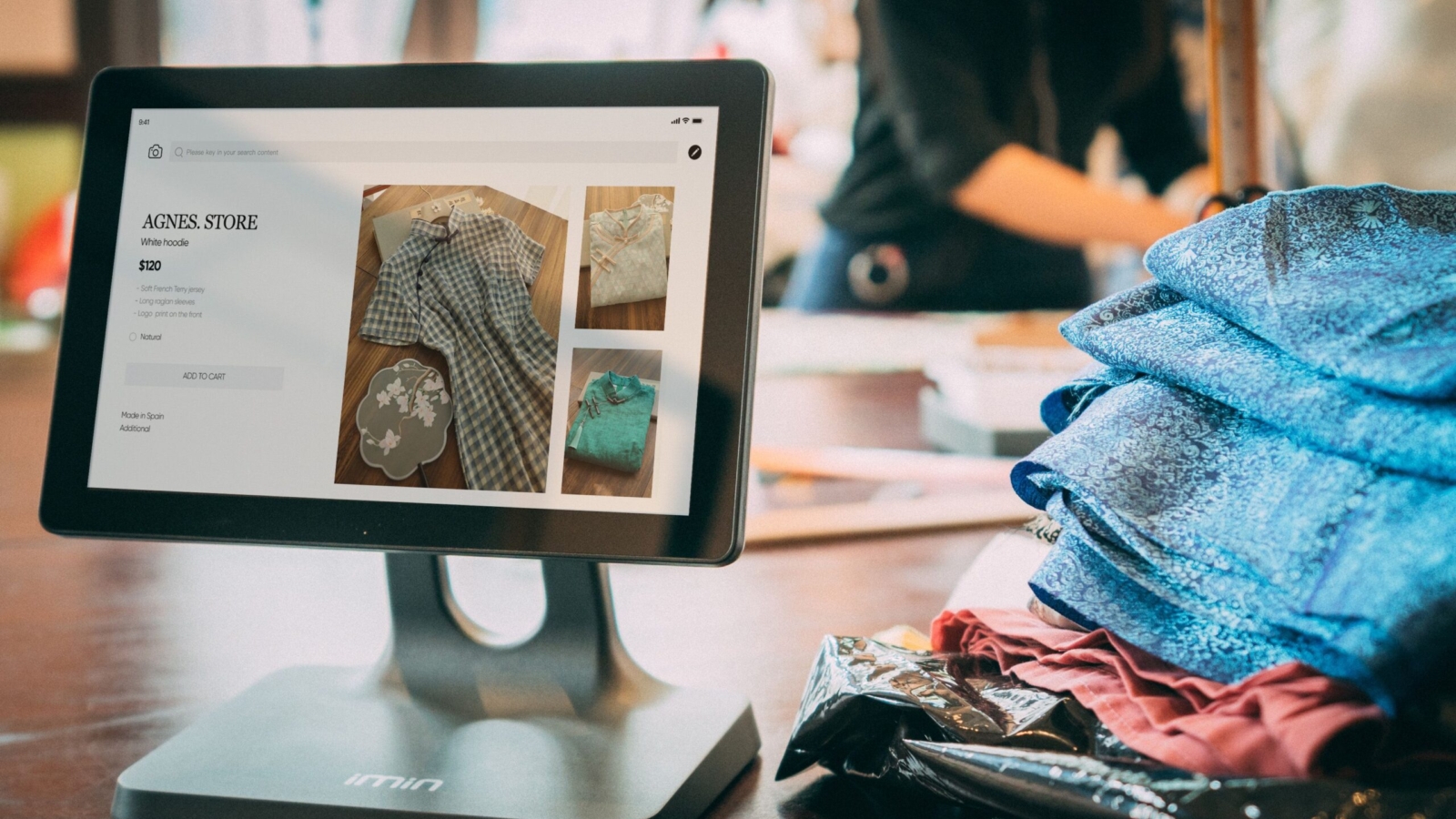
Photo by TheDigitalArtist on Pixabay.